
November 20, 2025
/
How Often Should You Clean Your Septic Tank?
Septic systems handle wastewater from homes or businesses that are not served by the city water and sewer system. The tank serves an important purpose: separating solids from liquids and sending treated effluent to the drainfield. Like any hard-working system, your septic tank needs routine care. Learn why cleaning a septic tank matters, how often this service should be performed, and what to do after cleaning so your system stays in top shape.
Why Is It Important to Clean Out Your Septic Tank?
The usable space in your tank gradually shrinks as sludge settles to the bottom and scum floats to the top. If you neglect maintenance long enough, these layers may wash into the drainfield. This creates foul odors in the yard and can trigger slow drains and backups. Once a drainfield becomes saturated with solids, pumping the tank won’t undo the damage.
Regularly cleaning a septic tank protects the drainfield, prevents emergencies, reduces odors, and prevents costly repairs. It also prevents untreated wastewater from entering nearby soil and groundwater to protect your family and the environment.
How Often Should a Septic Tank Be Cleaned?
Most homes should schedule pumping every two to three years. The recommended frequency may shift up or down based on household size, water use, tank size, garbage disposal habits, and whether the system includes an effluent filter.
If you’ve just moved in or don’t know your tank’s service history, book a septic inspection now. The technician might find that your tank can wait another year, or they may recommend pumping right away if it’s overdue. Once the cleaning is done, record the date somewhere you’ll see it when it’s time to schedule future maintenance.
Signs That Your Septic Tank Needs Cleaning
In addition to following the recommended frequency for cleaning out a septic tank, keep an eye out for these signs of trouble:
- Slow drains: Sinks, tubs, and showers that gurgle or empty sluggishly point to reduced tank capacity or a developing blockage.
- Odors near drains or outdoors: Persistent sewage smells around the yard, tank lid, or drainfield indicate the system is stressed and could be venting gases.
- Backups or wet spots: Sewage backing up into your drains or lush, soggy grass over the drainfield may signal overflow and potential drainfield damage. Act fast to avoid costly repairs.
How Is a Septic Tank Cleaned Out?
Cleaning a septic tank is not a DIY task. The toxic gases and confined-space risks make it a job for trained professionals. During each service, expect a qualified team to follow these steps:
- Locate and open the tank lids to reach the compartments and outlet area.
- Measure scum and sludge levels. These readings help the crew confirm whether it’s time to clean the septic tank or if maintenance can be delayed.
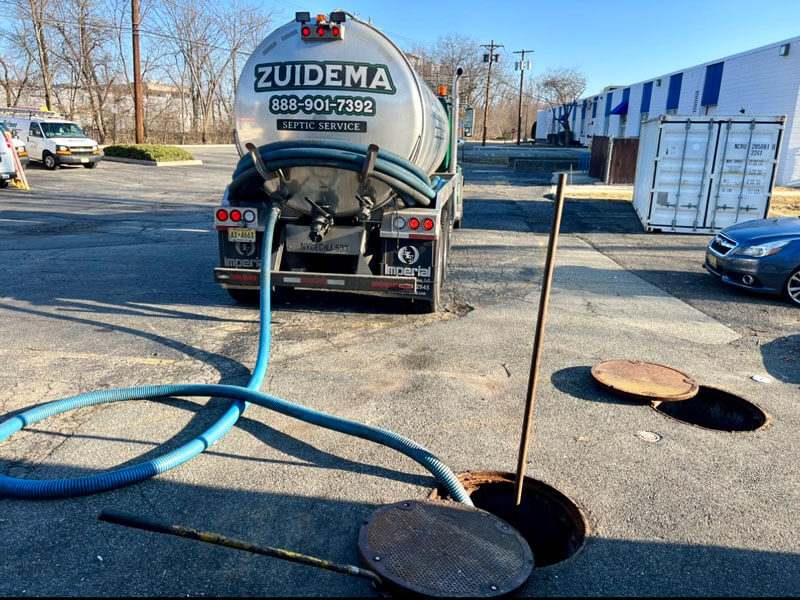
- Pump out liquids, sludge, and scum using a vacuum truck to restore the tank to full working volume.
- Rinse and inspect the interior to dislodge remaining solids.
- Inspect baffles or tees, check for cracks, and verify that the inlet and outlet are sound.
- Clean the effluent filter, which is located at the outlet, to prevent fine solids from entering the drainfield. Cleaning a septic tank filter is a quick but important part of every pump-out.
- Review findings and suggest a date for your next visit based on your household’s usage.
- Transport the collected waste to an approved treatment facility where it is disposed of using environmentally friendly methods that don’t harm the soil or groundwater.
What to Do After Your Septic Tank is Cleaned
A freshly serviced tank is the perfect time to lock in good habits. Make sure everyone in your household follows these tips to keep your system healthy and extend the time between visits:
- Stagger water use: Spread laundry across the week and avoid running multiple long showers back-to-back.
- Mind the drainfield: Keep vehicles, heavy equipment, and structures off the drainfield. Divert roof runoff and sump water away to avoid oversaturating the soil.
- Watch what you flush: Stick to human waste and toilet paper. Keep wipes, feminine products, floss, and paper towels out of the toilet. Also, avoid pouring paints, solvents, or drain cleaning chemicals down the sink.
- Use the garbage disposal sparingly: Food solids and grease accelerate sludge buildup and shorten the interval between cleanings.
- Fix leaks promptly: A running toilet or dripping faucet can send hundreds of extra gallons into your tank each week.
- Maintain good records: For future reference, note service dates, measured sludge and scum levels, and repairs as they become necessary.
Frequently Asked Questions
Is “cleaning a septic tank” the same as pumping?
In casual conversation, yes. Professionals pump the tank to remove solids and liquids, then inspect components and often rinse interior surfaces. This combined process is what most homeowners mean when they talk about cleaning out a septic tank.
How often should the filter be cleaned?
Many homes benefit from a quick filter rinse every six to 12 months, with a complete check during each pump-out. Your interval depends on usage. Ask your technician to show you the filter location and tips for maintaining it.
Can additives replace pumping?
No. Septic tank additives don’t remove accumulated solids. Only pumping resets tank capacity and helps protect the drainfield.
Hire a Professional to Clean Your Septic Tank
Zuidema Septic Services & Portable Toilets is one of the oldest septic service providers in New Jersey and New York. Our family-owned business brings over 100 years of experience, clean equipment, and courteous representatives to every job. We offer around-the-clock service and a fleet of over 60 maintenance vehicles to reach you quickly in an emergency. Schedule septic tank cleaning at your home or business, and let us handle the dirty work.